Independent Opinion | Canadian Basketball | November 2026
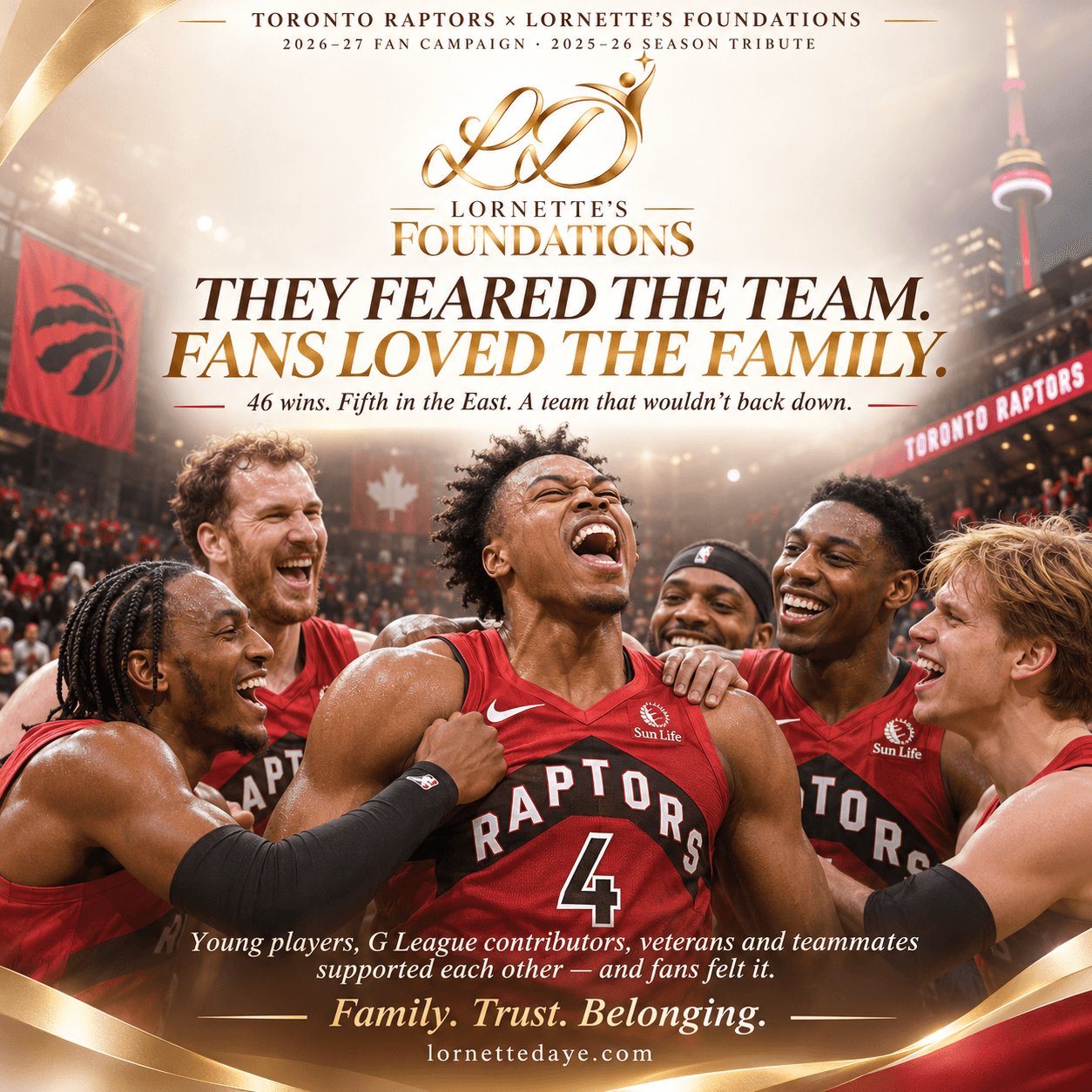
They Feared the Team. Fans Loved the Family.
Toronto Raptors, MLSE and the Question of Canadian Talent, Team Culture and What Comes Next

Lornette Daye
Olympic-Level Coach, Author & Keynote Speaker
There are teams we remember because they won. And there are teams we remember because of how they made us feel.
When supporters say, "They feared the team. Fans loved the family," they are speaking the emotional language of basketball, not claiming opponents issued public concessions, but describing a squad that played with edge, connectedness, and grit. During the 2025–26 season, the Toronto Raptors finished 46–36, claimed fifth place in the Eastern Conference, posted a top-five defensive rating, and pushed Cleveland to seven games in the first round of the playoffs.
As a former athlete and coach who has spent decades mentoring competitors across international stages, I look beyond box scores to the human architecture behind performance. Winning matters in professional sport. Yet the reason Toronto's 2025–26 campaign resonated so deeply with fans was the visible sense of energy, resilience, and shared commitment on the floor. That raises a fair and necessary question for Canada's NBA franchise: in chasing the next peak, are the Raptors and MLSE leadership giving equal weight to Canadian identity, player development, loyalty, and team culture?
Legacy & Community Impact: Foundations Athlete & Leadership Curriculum
Black Friday Special: Master focus under pressure, repeatable habits, and emotional poise with Coach Lornette Daye.
The Family Fans Remember
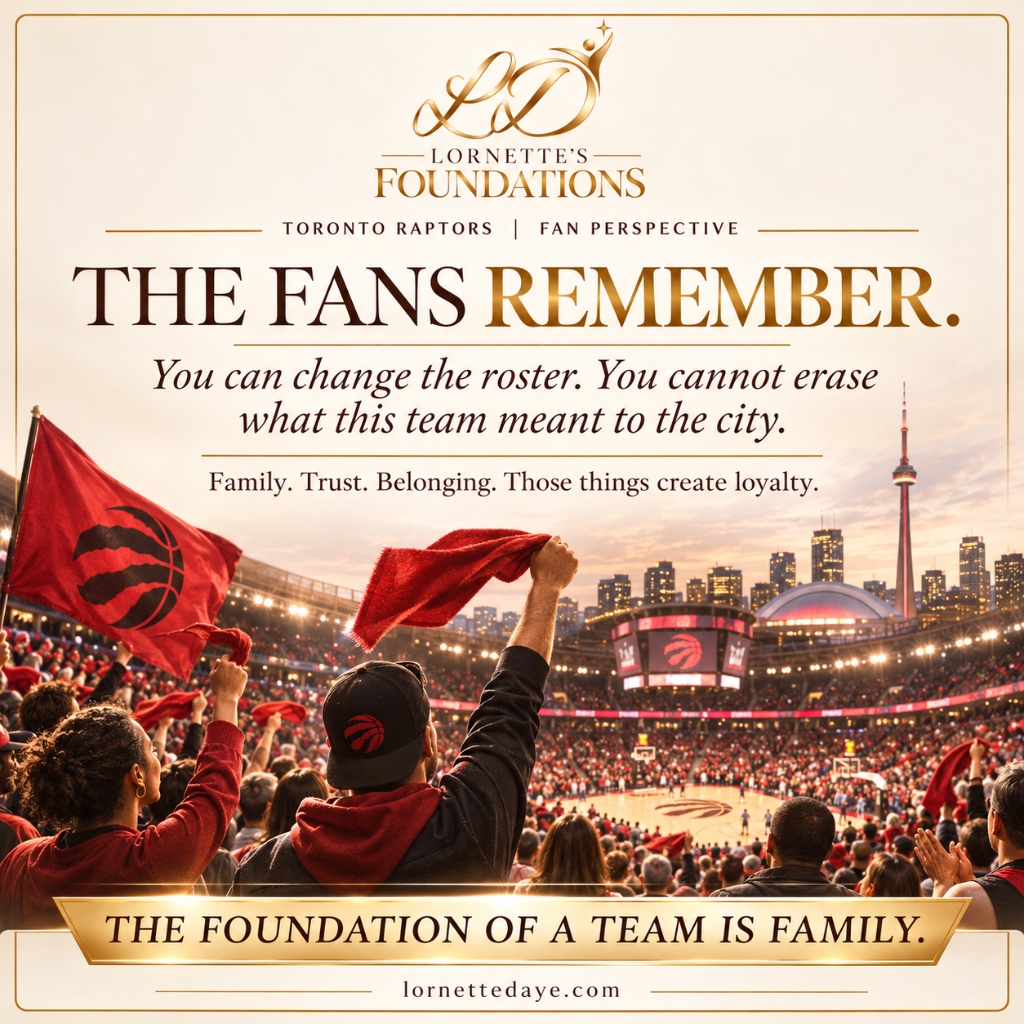
Every coach knows that a roster becomes a family only through daily, unglamorous investment. It happens when veterans take time to guide younger players, when teammates hold one another accountable without ego, and when bench energy reflects genuine pride in someone else's success. Over time, supporters recognize that authenticity, and they become emotionally invested not simply in highlights, but in the growth and character they witness.
In recent seasons, Raptors supporters connected deeply with athletes at very different stages of their journeys: veteran Canadian big man Kelly Olynyk, Brampton-born guard A.J. Lawson, and young wing Gradey Dick, alongside Toronto's broader developing core. Each brought a distinct role in different chapters of the franchise's recent timeline, and they did not all share the same season or depart in the same transaction. Yet together, their arcs represented something fans treasure: the bridge between seasoned leadership, homegrown aspiration, and youthful promise.
This commentary is not an attack on current players, new acquisitions, fans, or individual executives. Professional basketball is a demanding business. Still, when a fan base feels a team's identity shifting rapidly, it is worth examining what supporters actually mourn when familiar faces move on. Often, they are not questioning a front office's right to make moves; they are asking whether the human bonds that made the journey meaningful are being protected with the same urgency as star power.
Canadian Players Matter to Canada's Team
The Toronto Raptors are Canada's NBA team. That unique status should mean something deeper than the postal code of Scotiabank Arena. When a franchise carries an entire country's basketball flag, it inherits an extraordinary opportunity to connect the highest level of the sport with young athletes watching from Halifax to Vancouver.
Consider how much Canadian representation on the roster has shifted. Kelly Olynyk, a Canadian veteran, was traded from Toronto to New Orleans in February 2025 as part of the Brandon Ingram transaction. Later that year, fellow Canadian Chris Boucher departed through free agency in 2025 and signed with the Boston Celtics. Meanwhile, Brampton's A.J. Lawson earned his way up through Raptors 905 before being absent from Toronto's October 2026 opening-night NBA roster.
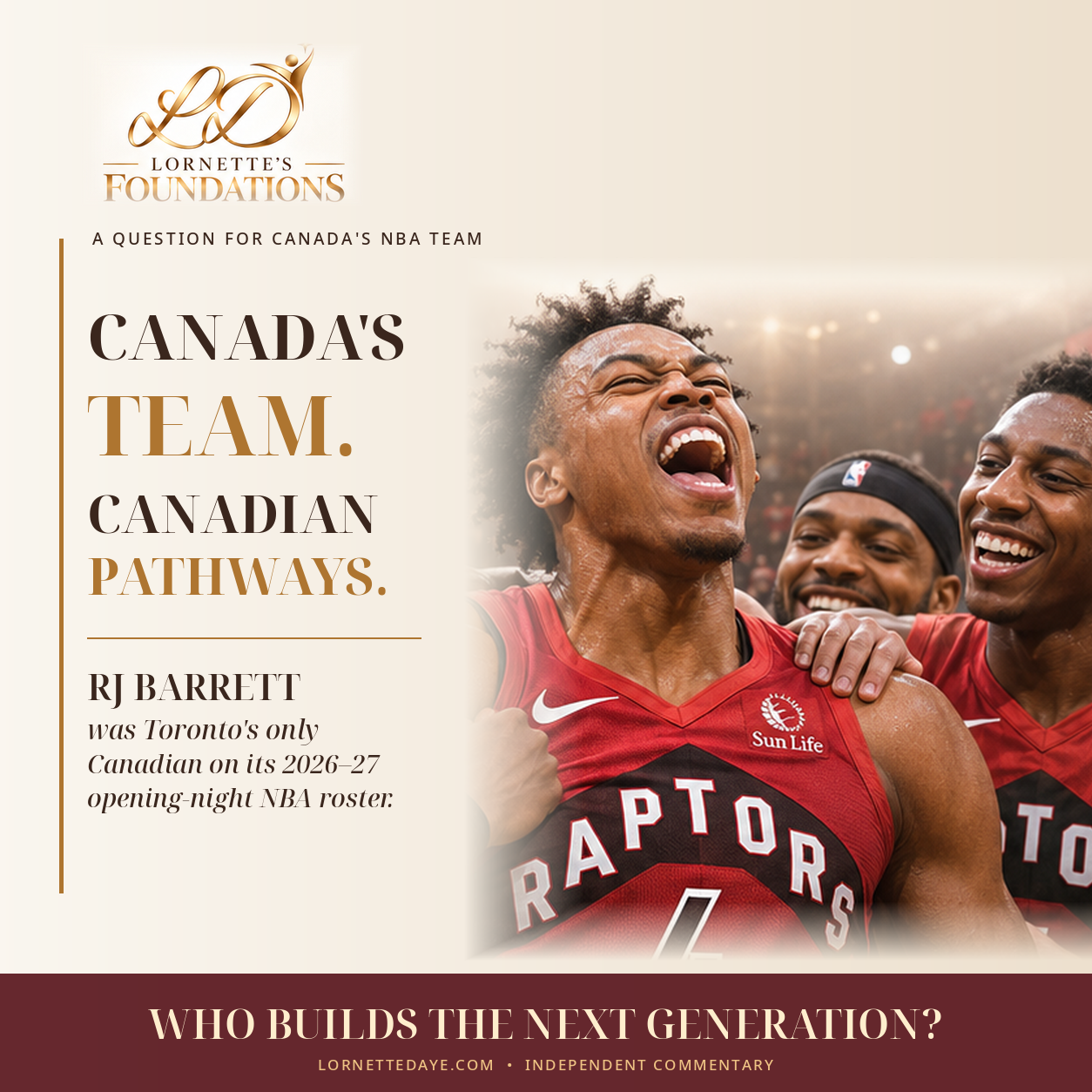
Toronto is not without Canadian representation: RJ Barrett stood as the lone Canadian on the Raptors' 2026–27 opening-night NBA roster. Still, in a nation whose men's and women's programs consistently produce world-class international talent, it is fair to ask: why should Canada's lone NBA franchise open a season with only one Canadian on its NBA roster? Nationality should never replace performance, merit, or sound roster construction. No player deserves a spot based solely on a passport. Yet a visible, intentional Canadian development strategy, one that actively scouts, nurtures, and creates genuine pathways for domestic talent, would honour the country that fills the building and fuels the brand.

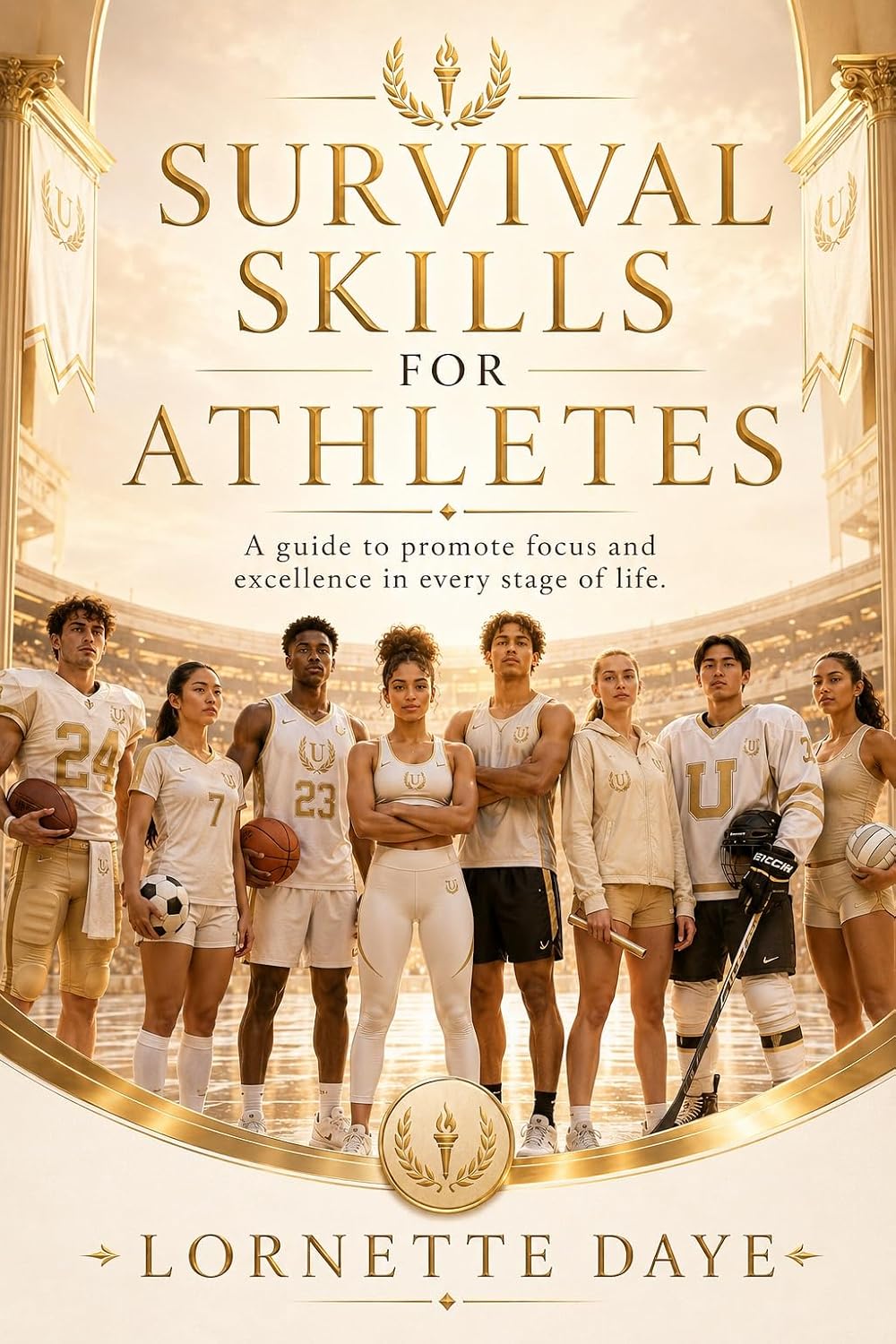
Survival Skills for Athletes: Official Digital Edition
A guide to promote focus and excellence in every stage of life.
The Cost of Changing a Team: Kawhi Leonard and Roster Continuity
In September 2026, Toronto made a bold swing, acquiring Kawhi Leonard from the Los Angeles Clippers in exchange for Brandon Ingram, Gradey Dick, and future draft assets. From a purely basketball perspective, the logic is easy to understand. Leonard's 2019 championship legacy in Toronto is unforgettable, and proven postseason stars carry undeniable appeal for any organization trying to climb from fifth in the East into true title contention.
Every major transaction, however, carries an opportunity cost that extends beyond salary-cap math. Sending away future draft capital narrows tomorrow's flexibility. Parting with a young American shooter like Gradey Dick raises a different concern: not about Canadian representation, but about young-player development and roster continuity. Fans watch a young draft pick adjust to NBA speed, weather early growing pains, and begin to find his footing; trading that trajectory mid-stream asks supporters to reset their emotional investment all over again.
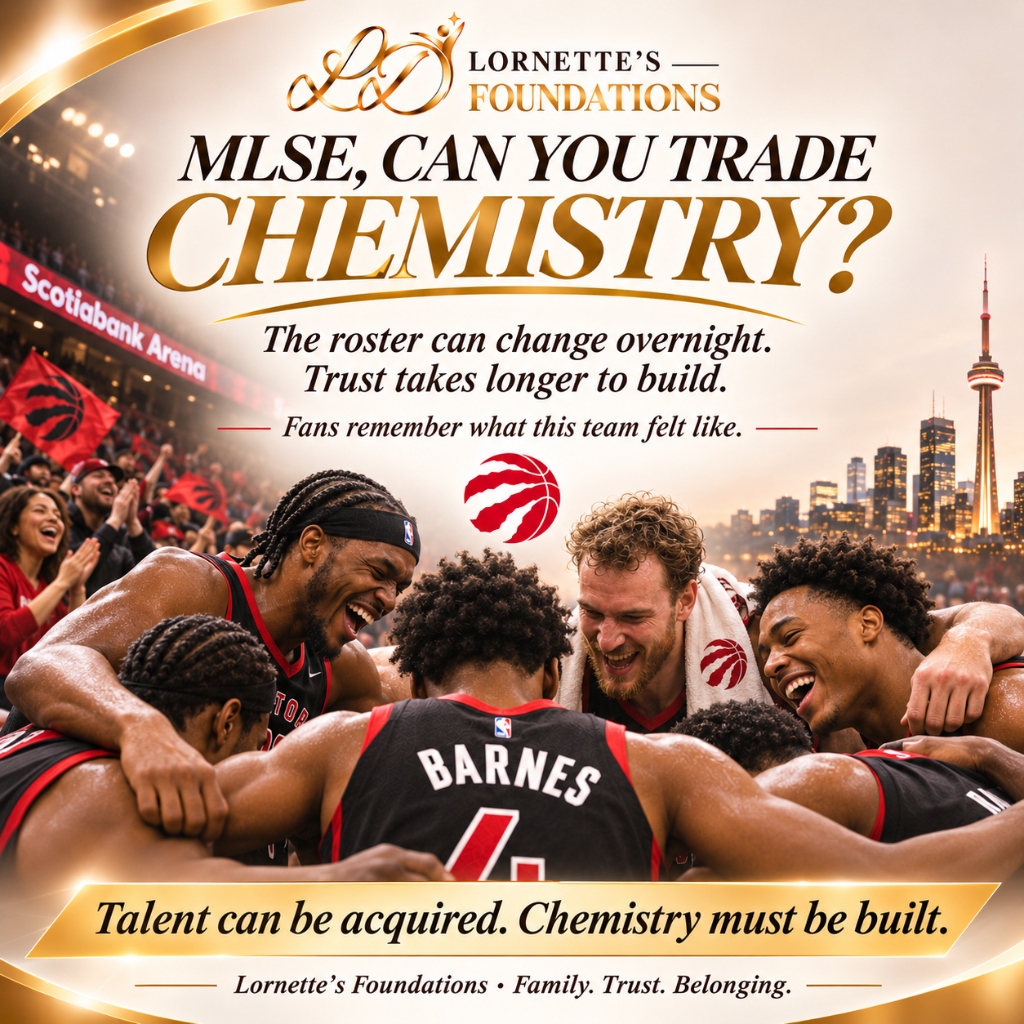
Can a team lose part of its chemistry when it reshuffles key pieces? We cannot measure chemistry from photographs or pretend to know private locker-room conversations, nor should anyone assume departed players necessarily wanted to stay. What we can say, from decades of coaching, is that trust and working relationships take time to build. Talent can be acquired in an afternoon; cohesion has to be earned over months of shared adversity.

What Raptors 905 Taught Us
If there is a blueprint for how Toronto can balance ambition with sustainable culture, Raptors 905 already demonstrated its power. Finishing the 2025 Tip-Off Tournament with a historic 14–0 record, the G League affiliate proved what happens when young players are placed in a structured environment with clear standards, quality coaching, and collective buy-in.
A.J. Lawson's rise within that system is a case study in earned opportunity. The Brampton guard excelled with Raptors 905, earned All-NBA G League Second Team recognition, and had his deal converted to a standard Raptors NBA contract in April 2026. His subsequent absence from the October 2026 opening-night NBA roster (without speculating on private front-office reasoning or mischaracterizing it as a trade) still prompts a broader structural question for fans watching the pipeline.
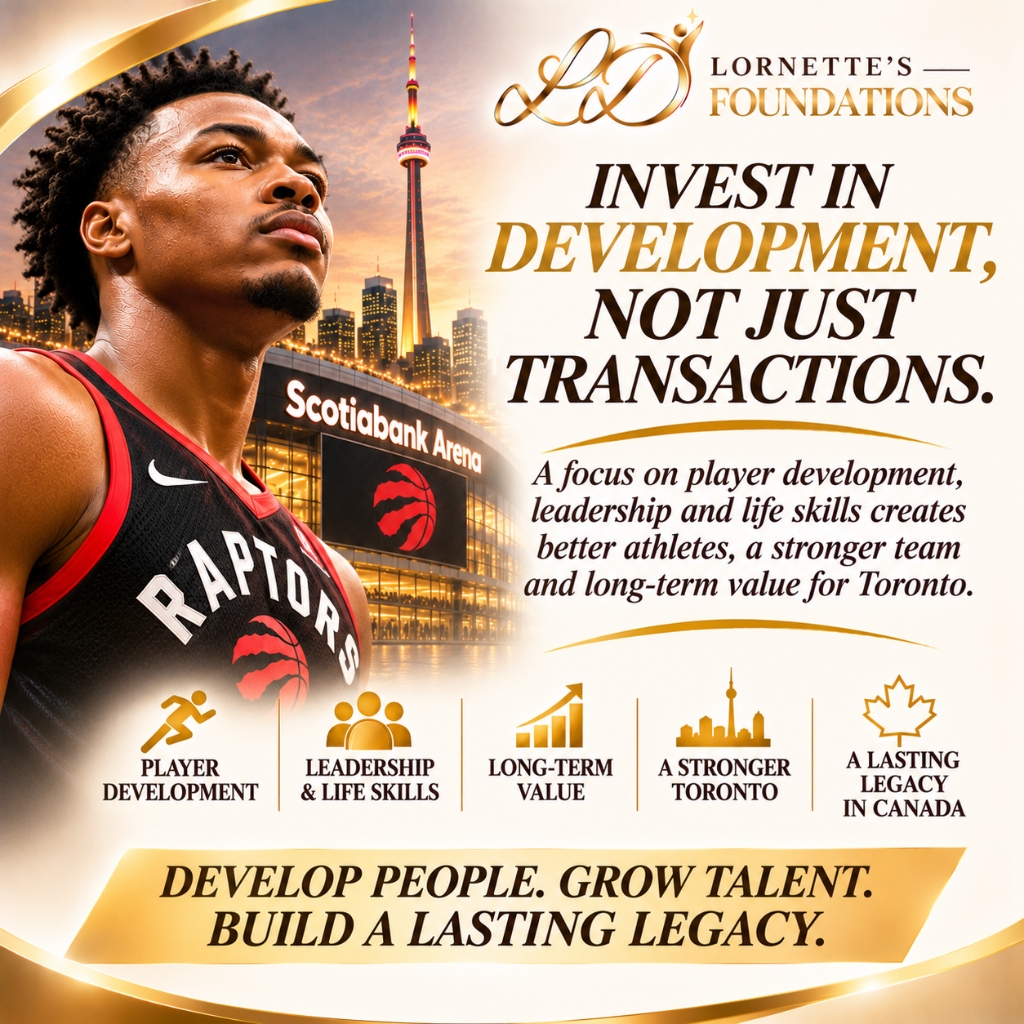
What should a successful development system deliver beyond short-term G League wins? When young athletes receive consistent coaching, clear feedback, and a credible bridge to the senior roster, the entire organization benefits. A true developmental pathway creates depth that survives injuries, keeps payroll sustainable, and shows every teenager shooting hoops in a Canadian driveway that the road from Mississauga to Scotiabank Arena is real.
What MLSE Should Be Asking
In evaluating the franchise's direction, accountability should also be clear and fair. Bobby Webster leads Raptors basketball operations with MLSE leadership support, meaning day-to-day roster construction sits with basketball operations while broader institutional priorities, cultural stewardship, and long-term community investment sit with ownership. These are not allegations of wrongdoing or claims of bias; they are constructive editorial questions any steward of Canada's team should welcome:
- 1. Canadian Talent Strategy:What is the long-term plan for identifying, developing, and creating genuine opportunities for Canadian basketball talent?
- 2. Development in Roster Decisions:How meaningfully does internal player development influence major trade and roster-building decisions?
- 3. Culture Through Transition:How is team culture actively protected and sustained through trades, roster turnover, and leadership transitions?
- 4. Next-Generation Connection:How will the Raptors strengthen their authentic emotional connection with young Canadian fans and grassroots communities?
- 5. Pipeline Value:What sustained investment in the development pipeline, from Raptors 905 to community basketball, will create lasting value beyond any single season?
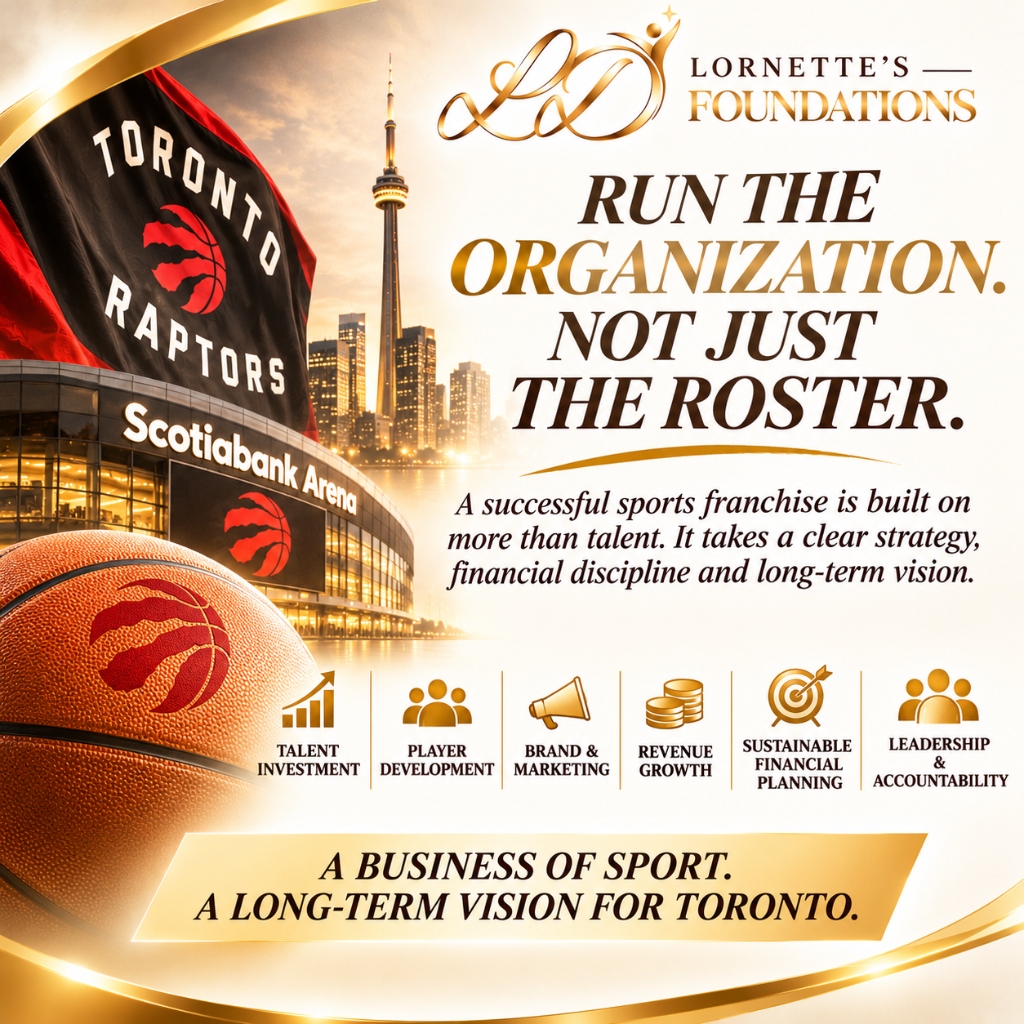
Family Is a Foundation, Not a Roster Spot
At Lornette’s Foundations, we teach that a healthy sporting environment is never an accident. It is built intentionally through belonging, trust, mentorship, clear communication, and emotional resilience. Those qualities do not belong to any single roster spot or jersey number; they belong to the standards an organization chooses to uphold.
A franchise can absolutely evolve its roster, pursue marquee talent, and make difficult business decisions while still protecting its culture. Doing so, however, requires deliberate leadership. It means honouring the people who helped build the standard, investing in athletes as whole human beings (preparing them for life beyond their playing careers), and remembering that championships are remembered alongside the way an organization treated its people.
Ready to Master Legacy & Community Impact?
Black Friday Special: Enroll in the guided module with athlete workbook, direct feedback, and competition routines for $149 CAD (Reg. $399 CAD).
Toronto deserves a competitive basketball team. Canada deserves a meaningful development pathway. And fans deserve a team whose identity is bigger than any single trade.
This perspective does not claim to speak for every supporter across the country, and healthy disagreement is part of loving the game. So let's have that conversation with respect and honesty: Raptors fans, what matters most to you: another championship, a stronger Canadian talent pathway, or rebuilding the family feeling that made you love this team?
Lornette’s Foundations
Develop the athlete. Prepare the person. Build the future.
Lornette’s Foundations equips athletes, coaches, families, and organizations with practical frameworks for resilience, leadership, emotional regulation, and life beyond sport.
Verified Sources & References
- NBA.com: 2026–27 Season Preview: Toronto Raptors (46–36, 5th in East, top-five defense, 7-game series vs. Cleveland)
- NBA.com: 2024–25 NBA Trade Tracker (Kelly Olynyk traded to New Orleans in Brandon Ingram transaction, February 2025)
- NBA.com/Celtics: Boston Celtics Sign Chris Boucher (Free agency, 2025)
- NBA G League: Raptors Convert A.J. Lawson to Standard NBA Contract (April 2026)
- Raptors 905: A.J. Lawson and Alijah Martin Receive Post-Season Honours (All-NBA G League Second Team)
- Sportsnet: Raptors 905 Make History with 14–0 Start to Tip-Off Tournament
- NBA.com: Raptors–Clippers Kawhi Leonard Trade (September 2026)
- NBA.com/Raptors: Raptors Set 2026–27 Opening-Night Roster (RJ Barrett sole Canadian)
- NBA.com/Raptors: Raptors Leadership Update (Bobby Webster & MLSE)
Independent editorial commentary by Lornette Daye. Not affiliated with or endorsed by MLSE, the Toronto Raptors or the NBA.
Understand the Lesson
What This Experience Taught Me
Championship ambitions and human development do not have to compete. Whether on an NBA hardwood or in a local training facility, lasting greatness grows where trust, mentorship, and clear pathways are protected.
3 Practical Takeaways
- Canada's NBA team carries an opportunity to pair merit-based roster building with a visible Canadian development pathway.
- Talent can be acquired in a single transaction, but trust, chemistry, and organizational culture take intentional time to build.
- Healthy sporting environments develop the athlete, prepare the person for life beyond sport, and leave a lasting community legacy.
How does your team or organization balance short-term competitive pressure with long-term trust, belonging, and people development?
Stored privately in your browser only.